|  

The Sustainability of MannaBrew: A Coffee Alternative for a Greener Future

The Sustainability of MannaBrew: A Coffee Alternative for a Greener Future

In an era where sustainability is becoming a defining factor in consumer choices, MannaBrew stands out as an eco-friendly alternative to traditional coffee. Made from mesquite seed pods, this innovative beverage not only provides a delicious and nutritious coffee substitute but also promotes environmental responsibility. Here’s how MannaBrew aligns with sustainable practices and why it is a great choice for the environmentally conscious consumer.


Sustainable Sourcing


One of the key sustainability aspects of MannaBrew is its primary ingredient: mesquite seed pods. Unlike coffee cultivation, which often requires extensive deforestation, high water usage, and intensive farming methods, mesquite trees thrive in arid environments with minimal water requirements. They grow naturally in many regions and do not need artificial fertilizers or pesticides, reducing the overall ecological footprint.


Regenerative Agriculture and Biodiversity


Harvesting mesquite seed pods can encourage the conservation and proliferation of mesquite trees, which play a crucial role in regenerating degraded soils. These trees enrich the soil with nitrogen, preventing desertification and supporting diverse ecosystems. In contrast, conventional coffee farming has been linked to monoculture practices that can deplete soil nutrients and reduce biodiversity.


Low-Impact Production Process


MannaBrew’s production process is designed to be low-impact compared to coffee roasting. The mesquite pods are harvested, dried, and roasted without the need for complex processing or excessive energy consumption. Additionally, mesquite trees naturally produce abundant seed pods annually, ensuring a renewable and sustainable supply without the need for replanting or habitat destruction.

Carbon Footprint Reduction


Traditional coffee production involves a long supply chain that contributes significantly to carbon emissions. From large-scale farming operations to international transportation, the environmental cost of coffee is substantial. MannaBrew, by contrast, offers a local and sustainable alternative with a significantly lower carbon footprint. Since mesquite trees grow in various parts of the world, localized production and reduced transportation can further minimize emissions.


Health and Wellness Benefits


Beyond its environmental benefits, MannaBrew provides a natural, caffeine-free alternative to coffee. This makes it an excellent choice for individuals seeking to reduce their caffeine intake while still enjoying a rich, roasted beverage. Additionally, mesquite is packed with nutrients such as fiber, protein, and essential minerals, promoting overall well-being in a sustainable way.


Conclusion


Choosing MannaBrew is not just about personal health benefits—it is a step towards a more sustainable future. By supporting the use of mesquite seed pods as a coffee alternative, consumers contribute to soil regeneration, biodiversity conservation, and reduced carbon emissions. As the world shifts towards more eco-friendly consumption habits, MannaBrew emerges as a smart and sustainable choice for coffee lovers who care about the planet.

👉 Try MannaBrew Superfood  today.

Your New Kind of Daily Brew

MannaBrew is not coffee. It is not tea. It is a Super Brew for every day!

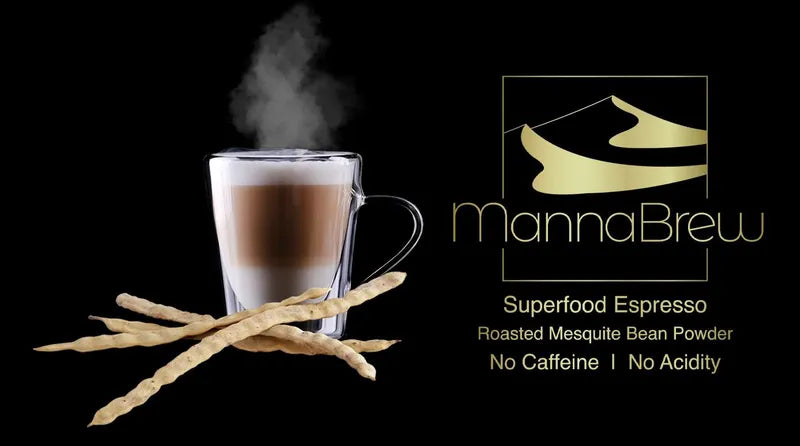
A single ingredient espresso style superfood made from roasted honey mesquite pods, harvested by hand in the Northern Cape of South Africa. It brews like coffee, looks like coffee, and feels familiar. But the experience is completely different.

Get my MannaBrew

MannaBrew is made from 100% roasted Mesquite beans.

There are no added sugars, caffeine, or artificial ingredients.

Key features of MannaBrew’s single ingredient:

Mesquite beans (from the Prosopis tree) are naturally sweet and contain:

  • Dietary fiber
  • Low glycemic carbohydrates
  • Essential minerals (like calcium, magnesium, potassium, and iron)
  • Protein
  • Antioxidants

This makes MannaBrew a naturally caffeine-free, nutrient-rich coffee alternative suitable for:

  • Pregnant or breastfeeding women
  • People with diabetes or blood sugar concerns
  • Children
  • Anyone avoiding caffeine or stimulants

Key benefits of drinking MannaBrew:

1. 100% Caffeine-Free

MannaBrew provides a rich, coffee-like flavor without the crash, jitters, or sleep disruption, perfect for pregnant women, kids, and anyone avoiding caffeine.

2. Naturally Energizing

While caffeine-free, the nutrient-dense Mesquite beans support natural energy levels thanks to slow-releasing carbohydrates and essential nutrients.

3. Packed with Nutrients

Mesquite beans are a natural source of: Magnesium, Zinc, Calcium, Iron, & Dietary fiber. These help support metabolism, bone health, digestion, and immunity.
4. Gut-Friendly

MannaBrew contains prebiotic fiber, which helps feed the good bacteria in your gut and supports better digestion and gut health.

5. Blood Sugar Friendly

The low-GI properties of Mesquite help regulate blood sugar levels, it is ideal for people managing insulin resistance, diabetes, or sugar spikes.

6. Naturally Sweet, No Sugar Needed

It's naturally sweet, nutty taste means most people enjoy it without needing to add sugar or sweeteners.

7. Sustainable & Ethical

From invasive tree to purposeful brew. MannaBrew supports people, land, and long-term sustainability.

8. Safe for the Whole Family

MannaBrew is safe for pregnant women, nursing moms, and children.

How to Brew MannaBrew

Image 1

Espresso
Put 1 level scoop of MannaBrew (8 grams) into the portafilter, spread grounds evenly, and extract 30ml espresso as normal. (Not recommended for bean to cup machines).

Image 2

Moka Pot
Fill basket halfway with MannaBrew, place on medium-high heat, and allow to percolate.

Image 1

French Press
Use 1 level scoop of MannaBrew (8 grams) per 250ml cup of water. Stir through gently. Allow to brew for 4 minutes before plunging.

Image 2

Filter
Use 1 level scoop of MannaBrew (8 grams) per 250ml cup of water.

Image 1

Espresso
Fill portafilter basket halfway, tamp down lightly, and extract espresso as normal. (Not for use in automatic machines).


Image 2

Moka Pot
Fill basket halfway, place on medium-high heat, and allow to percolate.


Image 1

French Press
Use 1-3 heaped teaspoons per cup. (According to desired strength).


Image 2

Filter
Use 1-3 heaped teaspoons per cup. (According to desired strength).