The mesquite tree (Prosopis species) is one of the most iconic plants of the American Southwest, shaping the landscape and history of the region. From its deep-rooted presence in indigenous cultures to its impact on ranching, ecology, and modern culinary uses, mesquite has played a vital role in the United States for centuries.
Origins and Early Use by Indigenous Peoples
Mesquite trees are native to North and South America, with species such as Prosopis glandulosa (honey mesquite) and Prosopis velutina (velvet mesquite) flourishing in arid regions of the southwestern United States, including Texas, Arizona, New Mexico, and California. For thousands of years, indigenous peoples such as the Apache, Comanche, Pima, and Tohono O’odham relied on mesquite as a crucial resource for food, medicine, and materials.
- Food Source: The mesquite seed pods were ground into flour to make a nutritious, protein-rich meal, used in bread, porridge, and drinks. The natural sweetness of the pods made mesquite a staple ingredient.
- Medicinal Uses: Mesquite bark, leaves, and gum were used in traditional remedies for sore throats, digestive issues, and skin conditions.
- Tools and Shelter: The hard, durable wood was used for making tools, arrows, and even shelter supports.
Mesquite’s Role in Westward Expansion and Ranching
With European colonization and westward expansion in the 18th and 19th centuries, mesquite took on a new significance. Spanish explorers and settlers introduced cattle ranching to the region, and mesquite became both a blessing and a curse for ranchers.
The Good:
- Drought Resilience: Mesquite trees provided shade and sustenance for cattle in dry, harsh conditions. The pods were a valuable source of nutrition for livestock.
- Firewood and Charcoal: Mesquite wood burns hot and slow, making it ideal for cooking and heating. Even today, mesquite is prized for its use in barbecue smoking.
The Bad:
- Invasive Spread: As cattle consumed and dispersed mesquite seeds, the tree spread aggressively across rangelands. By the late 19th and early 20th centuries, mesquite had become a major issue for ranchers, competing with grasses and reducing available grazing land.
- Thorny Growth: The dense, thorny thickets made land difficult to traverse and work. Farmers and ranchers struggled with mesquite encroachment, leading to widespread efforts to control its spread.
The 20th Century: Mesquite as a Problem and a Resource
By the mid-20th century, mesquite was classified as a nuisance species in many parts of the southwestern U.S. Efforts to remove mesquite included:
- Mechanical Clearing: Bulldozing and burning large mesquite stands.
- Chemical Control: Herbicides were widely used to control mesquite growth.
- Biological Control: Studies explored natural ways to limit mesquite expansion.
Despite these efforts, mesquite remained persistent, leading some communities to explore alternative uses instead of eradication.
Mesquite’s Modern Revival: Food, Sustainability, and Conservation
In recent years, attitudes toward mesquite have shifted. Instead of treating it purely as an invasive species, many see mesquite as a valuable, sustainable resource with applications in food, woodworking, and conservation.
Culinary Renaissance
- Mesquite Flour: The naturally sweet, gluten-free flour made from mesquite pods has gained popularity among health-conscious consumers. It is rich in fiber, protein, and essential minerals.
- Mesquite-Smoked BBQ: The smoky, earthy flavor of mesquite wood remains a favorite in grilling and barbecue.
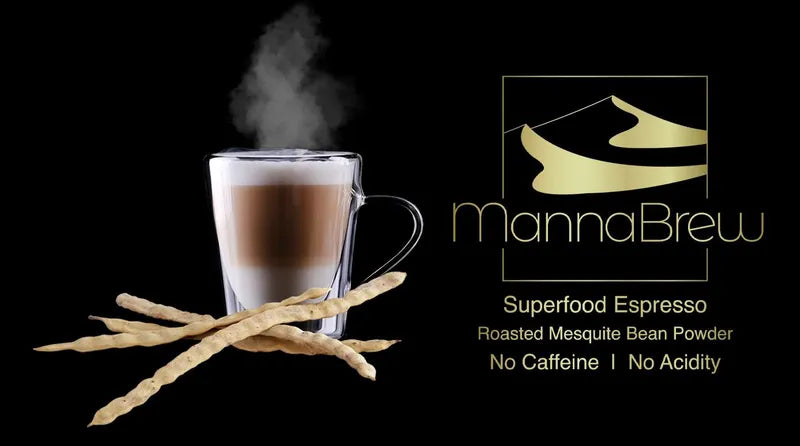
- Beverages: Mesquite-based drinks, such as MannaBrew, a coffee alternative made from mesquite pods, are gaining popularity.
Sustainable Land Management
- Carbon Sequestration: Mesquite’s deep root systems help store carbon and prevent desertification.
- Erosion Control: The tree stabilizes soil in arid regions, helping to prevent land degradation.
- Agroforestry Potential: Some farmers are experimenting with integrating mesquite into regenerative agricultural systems.
From Pest to Asset
The history of mesquite in the United States is a story of adaptation. Once a vital resource for indigenous communities, it became a problem for ranchers but is now being re-embraced for its ecological and economic benefits. Today, mesquite is enjoying a renaissance, not just as a food source, but as a tool for sustainability in dryland ecosystems.
As research and innovation continue, mesquite may prove to be one of the most valuable native plants of the American Southwest—a living testament to nature’s resilience and human ingenuity.
👉 Try MannaBrew Superfood today.