|  

コーヒーと消化器系

Coffee and the Digestive System

コーヒーは消化器系にどのような悪影響を及ぼすのでしょうか?

コーヒーを飲むと健康にさまざまなメリットがある一方、デメリットもあります。

たとえば、コーヒーは特定の人の消化器系に悪影響を及ぼす可能性があります。起こりうる最も一般的な消化器系の問題をいくつか挙げます。

1. 胃の不快感

コーヒーは酸性の性質を持っているため、胃の内壁を刺激し、特に胃が敏感な人や胃炎や消化性潰瘍などの消化器系の基礎疾患がある人にとっては、不快感、胸焼け、胃酸の逆流を引き起こす可能性があります。

2. 胃酸の分泌増加

コーヒーを飲むと、胃の中で胃酸の分泌が刺激されます。胃酸の量が多すぎると、胃酸の逆流、消化不良、胃食道逆流症(GERD)の症状の悪化などの消化器系の問題を引き起こす可能性があります。

3. 利尿作用

コーヒーは利尿作用があり、尿の生成を増加させ、脱水症状を引き起こす可能性があります。脱水症状は消化に影響を及ぼし、便秘や乾いた便などの症状を引き起こします。これらの影響を軽減するには、コーヒーの摂取と十分な水分補給のバランスをとることが重要です。コーヒーによる脱水症状は減量を妨げるか?もご覧ください。

4. 過敏性腸症候群(IBS)の引き金

過敏性腸症候群 (IBS) の患者の中には、コーヒーを飲むと症状が悪化すると感じる人もいます。コーヒーは腸を刺激するため、排便を促したり、腸の収縮を強めたりして、下痢や腹部の不快感を引き起こすことがあります。

5. 栄養吸収への影響

コーヒーは、特定の栄養素、特に植物由来の非ヘム鉄の吸収を妨げる可能性があります。食事の直前または食事中にコーヒーを飲むと、消化器官の健康と全体的な健康に不可欠な鉄分の吸収を妨げる可能性があります。

これはコーヒーを飲むのをやめるべきだという意味ですか?

コーヒーやカフェインに対する個人の反応は異なる可能性があることに注意することが重要です。これらの消化への影響に敏感な人もいれば、何の問題も感じない人もいます。コーヒーが消化器系に悪影響を与えると感じた場合は、コーヒーの摂取量を減らすかやめるか、カフェイン抜きの飲み物に切り替えるか、消化器系に優しい他の飲み物を試すことを検討する価値があるかもしれません。既存の消化器系の疾患や懸念がある場合は、少なくともコーヒーの摂取量を減らすことをお勧めします。問題が悪化する場合は、カフェインを完全に断つことを検討する必要があります。
Your New Kind of Daily Brew

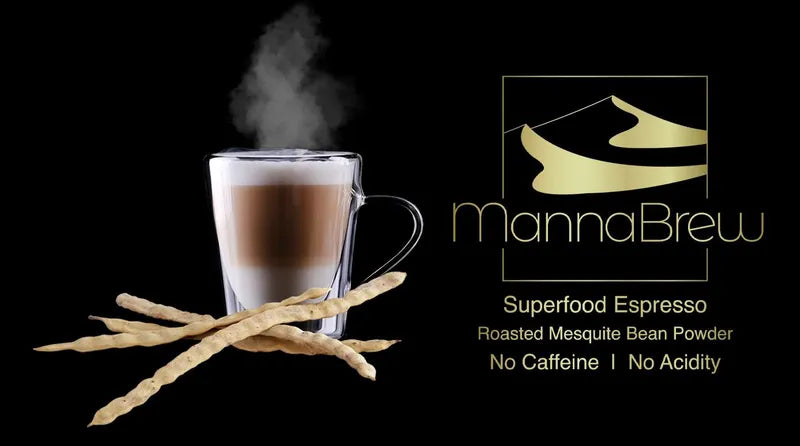
MannaBrew is not coffee. It is not tea. It is a Super Brew for every day!

A single ingredient espresso style superfood made from roasted honey mesquite pods, harvested by hand in the Northern Cape of South Africa. It brews like coffee, looks like coffee, and feels familiar. But the experience is completely different.

Get my MannaBrew

MannaBrew is made from 100% roasted Mesquite beans.

There are no added sugars, caffeine, or artificial ingredients.

Key features of MannaBrew’s single ingredient:

Mesquite beans (from the Prosopis tree) are naturally sweet and contain:

  • Dietary fiber
  • Low glycemic carbohydrates
  • Essential minerals (like calcium, magnesium, potassium, and iron)
  • Protein
  • Antioxidants

This makes MannaBrew a naturally caffeine-free, nutrient-rich coffee alternative suitable for:

  • Pregnant or breastfeeding women
  • People with diabetes or blood sugar concerns
  • Children
  • Anyone avoiding caffeine or stimulants

Key benefits of drinking MannaBrew:

1. 100% Caffeine-Free

MannaBrew provides a rich, coffee-like flavor without the crash, jitters, or sleep disruption, perfect for pregnant women, kids, and anyone avoiding caffeine.

2. Naturally Energizing

While caffeine-free, the nutrient-dense Mesquite beans support natural energy levels thanks to slow-releasing carbohydrates and essential nutrients.

3. Packed with Nutrients

Mesquite beans are a natural source of: Magnesium, Zinc, Calcium, Iron, & Dietary fiber. These help support metabolism, bone health, digestion, and immunity.

4. Gut-Friendly

MannaBrew contains prebiotic fiber, which helps feed the good bacteria in your gut and supports better digestion and gut health.

5. Blood Sugar Friendly

The low-GI properties of Mesquite help regulate blood sugar levels, it is ideal for people managing insulin resistance, diabetes, or sugar spikes.

6. Naturally Sweet, No Sugar Needed

It's naturally sweet, nutty taste means most people enjoy it without needing to add sugar or sweeteners.

7. Sustainable & Ethical

From invasive tree to purposeful brew. MannaBrew supports people, land, and long-term sustainability.

8. Safe for the Whole Family

MannaBrew is safe for pregnant women, nursing moms, and children.

How to Brew MannaBrew

Image 1

Espresso
Put 1 level scoop of MannaBrew (8 grams) into the portafilter, spread grounds evenly, and extract 30ml espresso as normal. (Not recommended for bean to cup machines).

Image 2

Moka Pot
Fill basket halfway with MannaBrew, place on medium-high heat, and allow to percolate.

Image 1

French Press
Use 1 level scoop of MannaBrew (8 grams) per 250ml cup of water. Stir through gently. Allow to brew for 4 minutes before plunging.

Image 2

Filter
Use 1 level scoop of MannaBrew (8 grams) per 250ml cup of water.

Image 1

Espresso
Fill portafilter basket halfway, tamp down lightly, and extract espresso as normal. (Not for use in automatic machines).


Image 2

Moka Pot
Fill basket halfway, place on medium-high heat, and allow to percolate.


Image 1

French Press
Use 1-3 heaped teaspoons per cup. (According to desired strength).


Image 2

Filter
Use 1-3 heaped teaspoons per cup. (According to desired strength).