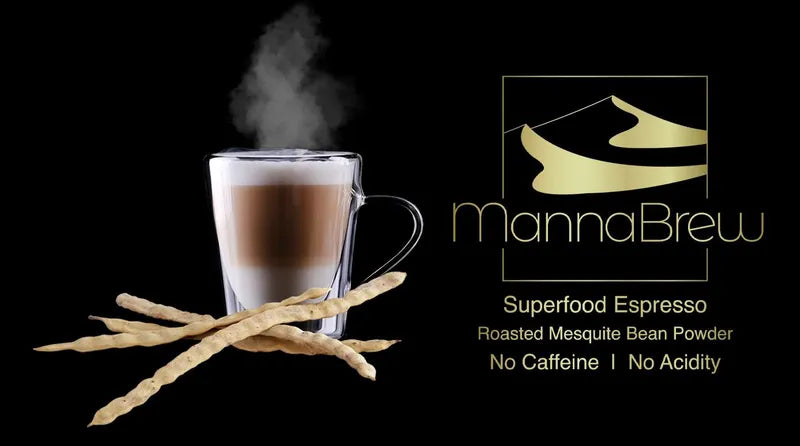
In recent years, South Africa has witnessed an upsurge in innovative, sustainable, and locally sourced products entering the market. Among these, MannaBrew—a coffee alternative made from mesquite seed pods—has emerged as a noteworthy player. While its health benefits and sustainability are well-documented, MannaBrew’s economic impact on the South African economy deserves special attention.
Supporting Local Agriculture and Ecosystem Management
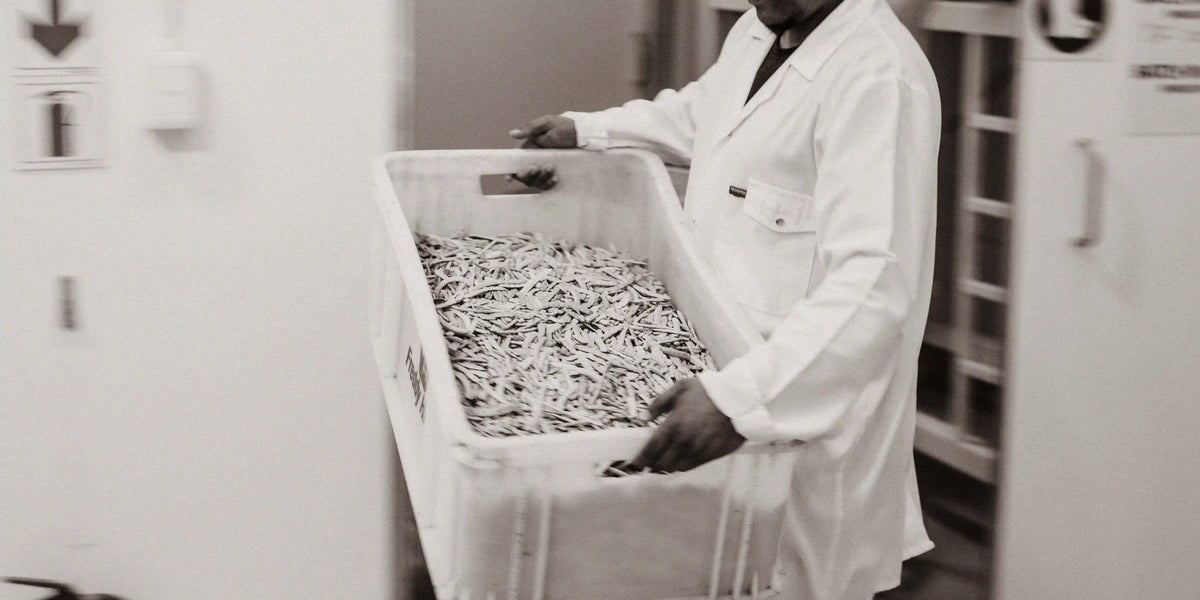
MannaBrew’s production process is rooted in the harvesting and processing of mesquite seed pods, an invasive species in South Africa. By turning this ecological challenge into an economic opportunity, MannaBrew contributes to ecosystem management while creating value for local farmers and harvesters. The eradication of mesquite trees, which threaten indigenous plant species and water resources, is typically a cost-intensive process. However, by purchasing seed pods from local communities, MannaBrew offers financial incentives to tackle this environmental issue. This approach not only generates income for rural households but also reduces government expenditure on invasive species management.
Job Creation Across the Value Chain
MannaBrew’s business model supports job creation at multiple levels. From the harvesting of mesquite pods to their processing, packaging, and distribution, the company has established a value chain that benefits a diverse group of stakeholders. Small-scale farmers, local cooperatives, and processing plant workers all gain employment opportunities. Additionally, the marketing, sales, and logistics sectors see indirect job creation as demand for MannaBrew grows both domestically and internationally.
Boosting Local Entrepreneurship
MannaBrew has inspired a wave of entrepreneurship, with small businesses and local retailers seizing opportunities to distribute and sell the product. By fostering partnerships with independent retailers and eco-friendly marketplaces, MannaBrew has contributed to the growth of small and medium-sized enterprises.
Export Potential and Revenue Generation
As global consumers become more health-conscious and environmentally aware, MannaBrew’s export potential represents a significant opportunity for South Africa. By positioning itself as a unique and sustainable alternative to coffee, MannaBrew can tap into international markets, generating foreign exchange revenue. Increased exports bolster the country’s trade balance and enhance South Africa’s reputation as a producer of innovative, eco-friendly products.
Promoting Economic Resilience Through Diversification
The South African economy has long relied on a limited number of sectors, such as mining and agriculture. By contributing to the growth of the sustainable food and beverage industry, MannaBrew adds diversity to the economic landscape. This diversification enhances economic resilience, reducing vulnerability to sector-specific downturns and global market fluctuations.
MannaBrew exemplifies how a sustainable, locally sourced product can drive economic growth while addressing environmental challenges. Its impact on job creation, rural development, export revenue, and economic diversification underscores its potential as a catalyst for South Africa’s economic transformation. As demand for sustainable products continues to rise, MannaBrew’s success story offers a blueprint for leveraging innovation to achieve both economic and environmental goals.