In South Africa’s Northern Cape, local residents walk beneath mesquite trees and gather mature seedpods from the dry Karoo landscape.
To someone unfamiliar with the area, it may look like a simple seasonal harvest.
But these pods tell a much bigger story.
Mesquite, also known as Prosopis, is an invasive plant in parts of South Africa. MannaBrew turns its seedpods into a useful product while creating paid harvesting opportunities for people living in rural communities.
How the Community Harvest Works
The model is intentionally simple.
Local residents collect mature mesquite seedpods growing in their area. They bring in what they have gathered and are paid for the amount they collect.
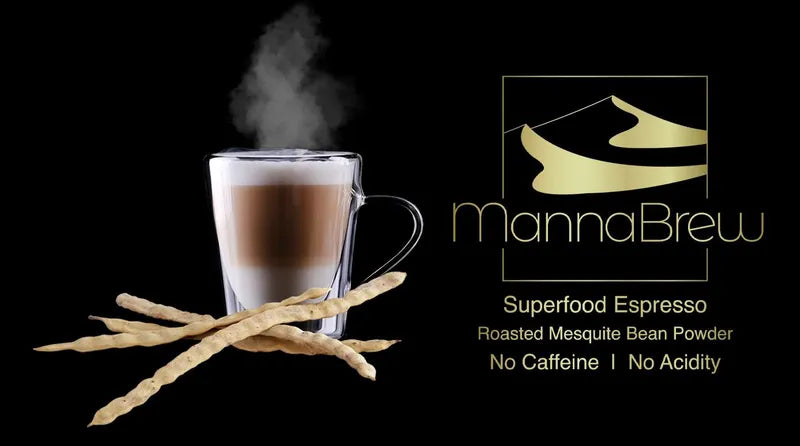
The pods are then cleaned, processed, and roasted. They become the single ingredient in MannaBrew Superfood Espresso.
In 2026, more than 650 individual harvesters participated in the collection of approximately 90 metric tons of mesquite pods. That is nearly 200,000 pounds of pods gathered by people from communities in and around the Northern Cape.
This is not an abstract promise about creating opportunities in the future. It is paid seasonal work connected to a real harvest and a real product.
What This Income Means on the Ground
The Northern Cape is South Africa’s largest province by land area, but it has a small and widely dispersed population.
Many rural communities are far from large towns and formal employment opportunities can be limited. Finding work may require long journeys or leaving the area altogether.
Mesquite harvesting provides another option.
People can collect pods close to where they live and fit the work around family responsibilities, farming, and other seasonal activities. Harvesters are paid according to the pods they collect, giving them a direct way to earn income from a resource already growing around them.
The model does not claim to solve rural unemployment. Its value is more practical and immediate.
It creates paid work for hundreds of individuals and allows some of the value from the final product to begin in the communities where its only ingredient is harvested.
One Harvest With Two Benefits
Mesquite was introduced to South Africa because it grows well in hot, dry conditions. However, it spread far beyond the areas where it was originally planted.
The trees can compete with native plants for limited water, sunlight, and space. Their seeds can also spread into new areas after the mature pods fall or are eaten and carried by animals.
Gathering the pods does not remove the trees, and it is not a complete answer to the invasive species problem. It does, however, help reduce the number of seeds available to spread.
The same harvest therefore creates two practical outcomes:
It is a grounded approach to environmental responsibility. The plant is not simply treated as waste. Part of the problem is turned into paid work and a useful product.
Every Cup Starts With a Community
After the seedpods have been collected, they are carefully prepared and roasted to develop MannaBrew’s naturally nutty, caramel-like flavor.
There are no coffee beans and no added ingredients. MannaBrew is made from roasted mesquite seedpods and is naturally caffeine-free.
Long before it reaches your cup, its story begins in South Africa’s Northern Cape.
It begins with local knowledge, hundreds of individual harvesters, and a landscape where an invasive plant is being turned into an opportunity.
Every cup of MannaBrew carries a small part of that story from the Karoo to you.