|  

Coffee and Adrenal Fatigue

Coffee and Adrenal Fatigue

How Does Coffee Cause Fatigue?

This might sound like a controversial statement – but there is a lot of truth behind it. While coffee is commonly consumed to combat fatigue, it's possible for some individuals to experience fatigue because of coffee consumption.

Here are a few reasons why coffee could potentially contribute to feelings of fatigue:

  1. Caffeine Crash Coffee and other caffeinated beverages provide a temporary energy boost due to the stimulating effects of caffeine. However, once the effects wear off, some people may experience a "caffeine crash" or a sudden drop in energy levels. This crash can lead to feelings of fatigue and tiredness.
  2. Disrupted Sleep Consuming coffee, especially in large quantities or close to bedtime, can disrupt sleep patterns. Caffeine has a half-life of several hours, meaning it can stay in your system for a significant period. If you consume coffee too late in the day, it may interfere with your ability to fall asleep or have quality sleep, leading to fatigue the following day. Also see how coffee impacts sleep, stress and weight loss.
  3. Dehydration Coffee is a diuretic, meaning it can increase urine production and potentially contribute to dehydration if not balanced with adequate hydration. Dehydration can cause fatigue and lethargy, so if you're not consuming enough water alongside your coffee, it could contribute to feelings of fatigue.
  4. Adrenal Fatigue Some people claim that excessive consumption of caffeine, including coffee, can lead to a condition called adrenal fatigue. Adrenal fatigue is a controversial and not medically recognized condition. It suggests that chronic caffeine consumption can exhaust the adrenal glands, resulting in fatigue, among other symptoms. However, scientific evidence supporting this concept is limited.

Should I stop drinking coffee if I feel fatigued?

It's important to remember that individuals' responses to caffeine can vary. Some people may be more sensitive to its effects and may experience fatigue or other adverse reactions even with moderate coffee consumption. Additionally, other factors such as individual metabolism, overall health, sleep quality, and stress levels can influence how caffeine affects energy levels.

If you find that coffee consistently makes you feel fatigued, you may consider reducing your caffeine intake, experimenting with alternative beverages or methods of boosting energy, and assessing other lifestyle factors that may be contributing to your fatigue. Consulting with a healthcare professional can provide personalized guidance and help identify any underlying causes of fatigue.

Your New Kind of Daily Brew

MannaBrew is not coffee. It is not tea. It is a Super Brew for every day!
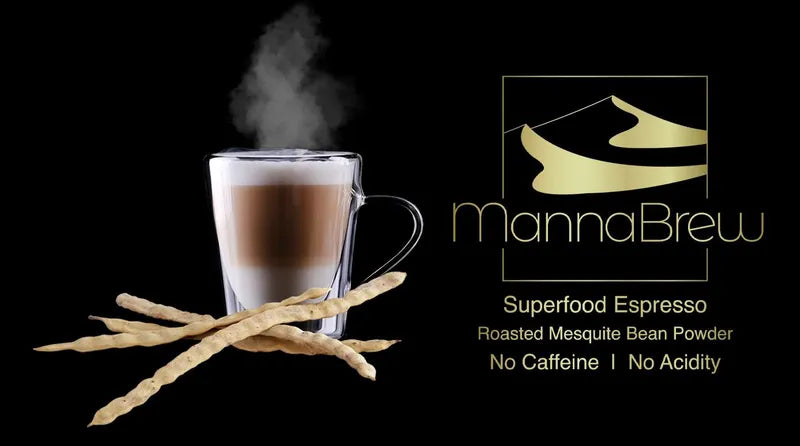
A single ingredient espresso style superfood made from roasted honey mesquite pods, harvested by hand in the Northern Cape of South Africa. It brews like coffee, looks like coffee, and feels familiar. But the experience is completely different.

Get my MannaBrew

MannaBrew is made from 100% roasted Mesquite beans.

There are no added sugars, caffeine, or artificial ingredients.

Key features of MannaBrew’s single ingredient:

Mesquite beans (from the Prosopis tree) are naturally sweet and contain:

  • Dietary fiber
  • Low glycemic carbohydrates
  • Essential minerals (like calcium, magnesium, potassium, and iron)
  • Protein
  • Antioxidants

This makes MannaBrew a naturally caffeine-free, nutrient-rich coffee alternative suitable for:

  • Pregnant or breastfeeding women
  • People with diabetes or blood sugar concerns
  • Children
  • Anyone avoiding caffeine or stimulants

Key benefits of drinking MannaBrew:

1. 100% Caffeine-Free

MannaBrew provides a rich, coffee-like flavor without the crash, jitters, or sleep disruption, perfect for pregnant women, kids, and anyone avoiding caffeine.

2. Naturally Energizing

While caffeine-free, the nutrient-dense Mesquite beans support natural energy levels thanks to slow-releasing carbohydrates and essential nutrients.

3. Packed with Nutrients

Mesquite beans are a natural source of: Magnesium, Zinc, Calcium, Iron, & Dietary fiber. These help support metabolism, bone health, digestion, and immunity.

4. Gut-Friendly

MannaBrew contains prebiotic fiber, which helps feed the good bacteria in your gut and supports better digestion and gut health.

5. Blood Sugar Friendly

The low-GI properties of Mesquite help regulate blood sugar levels, it is ideal for people managing insulin resistance, diabetes, or sugar spikes.

6. Naturally Sweet, No Sugar Needed

It's naturally sweet, nutty taste means most people enjoy it without needing to add sugar or sweeteners.

7. Sustainable & Ethical

From invasive tree to purposeful brew. MannaBrew supports people, land, and long-term sustainability.

8. Safe for the Whole Family

MannaBrew is safe for pregnant women, nursing moms, and children.

How to Brew MannaBrew

Image 1

Espresso
Put 1 level scoop of MannaBrew (8 grams) into the portafilter, spread grounds evenly, and extract 30ml espresso as normal. (Not recommended for bean to cup machines).

Image 2

Moka Pot
Fill basket halfway with MannaBrew, place on medium-high heat, and allow to percolate.

Image 1

French Press
Use 1 level scoop of MannaBrew (8 grams) per 250ml cup of water. Stir through gently. Allow to brew for 4 minutes before plunging.

Image 2

Filter
Use 1 level scoop of MannaBrew (8 grams) per 250ml cup of water.

Image 1

Espresso
Fill portafilter basket halfway, tamp down lightly, and extract espresso as normal. (Not for use in automatic machines).


Image 2

Moka Pot
Fill basket halfway, place on medium-high heat, and allow to percolate.


Image 1

French Press
Use 1-3 heaped teaspoons per cup. (According to desired strength).


Image 2

Filter
Use 1-3 heaped teaspoons per cup. (According to desired strength).